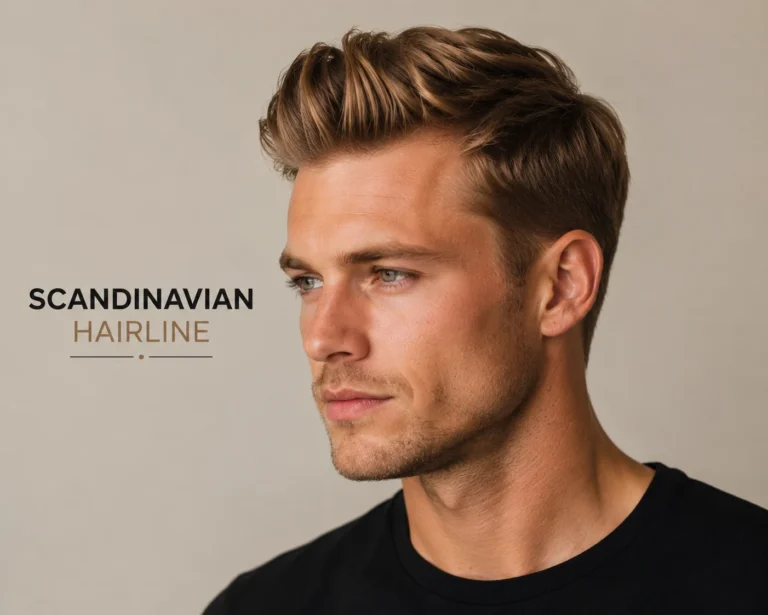
The Scandinavian hairline has become one of the most discussed beauty and hair aesthetics online, especially across TikTok, Instagram, and celebrity-inspired styling trends. Known for its soft, wispy, and naturally imperfect appearance, this hairline style is often associated with Nordic beauty ideals that emphasize minimalism, softness, and effortless elegance.
Unlike sharply defined or heavily sculpted hairlines, the Scandinavian hairline focuses on fine baby hairs, lighter density near the forehead, and a subtle transition between the forehead and hair. Many hairstylists and beauty enthusiasts describe it as youthful, natural-looking, and flattering for a wide range of face shapes.
This article explains what the Scandinavian hairline is, why it became popular, how people achieve the look, and whether it works for different hair types and textures.
What Is a Scandinavian Hairline?
A Scandinavian hairline refers to a naturally soft and feathered hairline commonly associated with people from Nordic countries such as Sweden, Norway, and Denmark. The look is characterized by delicate edges, fine hairs around the forehead, and less dramatic hairline definition.
The style contrasts sharply with rigid or perfectly lined hairlines often seen in high-maintenance beauty trends. Instead, it embraces asymmetry and softness. Many people are drawn to the appearance because it feels effortless and realistic rather than overly styled.
In beauty culture, the Scandinavian hairline is often connected to the broader Scandinavian aesthetic, which values simplicity, natural beauty, and understated grooming.
Why the Scandinavian Hairline Became Popular
Social Media Beauty Trends
The rise of TikTok and beauty-focused social platforms played a major role in popularizing the Scandinavian hairline. Users began sharing tutorials showing how softer hairlines can create a more youthful and natural appearance.
Beauty creators also highlighted how harshly sculpted edges or extremely dense front hairlines sometimes appear unnatural under bright lighting or high-definition cameras. As trends shifted toward softer makeup and minimalist beauty, hair aesthetics evolved in the same direction.
Celebrities, models, and influencers embracing natural-looking hairstyles further accelerated interest in this softer Nordic-inspired look.
The Appeal of “Effortless Beauty”
Modern beauty trends increasingly favor features that look unforced. The Scandinavian hairline fits perfectly within that movement because it appears relaxed rather than meticulously engineered.
Many people appreciate that the style complements low-maintenance beauty routines. Instead of requiring constant shaping or edge work, the look celebrates subtle irregularities and lightweight texture.
That natural appearance often photographs well, especially in candid content and softer lighting styles common on social media platforms.
Key Features of a Scandinavian Hairline
Soft and Wispy Edges
One of the most recognizable features is the presence of soft baby hairs near the forehead and temples. These hairs are usually finer and lighter than the rest of the hairline.
Rather than creating a sharp border between skin and hair, the Scandinavian hairline blends gradually into the forehead. This creates a softer facial frame that many people find flattering.
The effect can make hairstyles feel more relaxed and youthful without appearing messy.
Less Dense Front Hairline
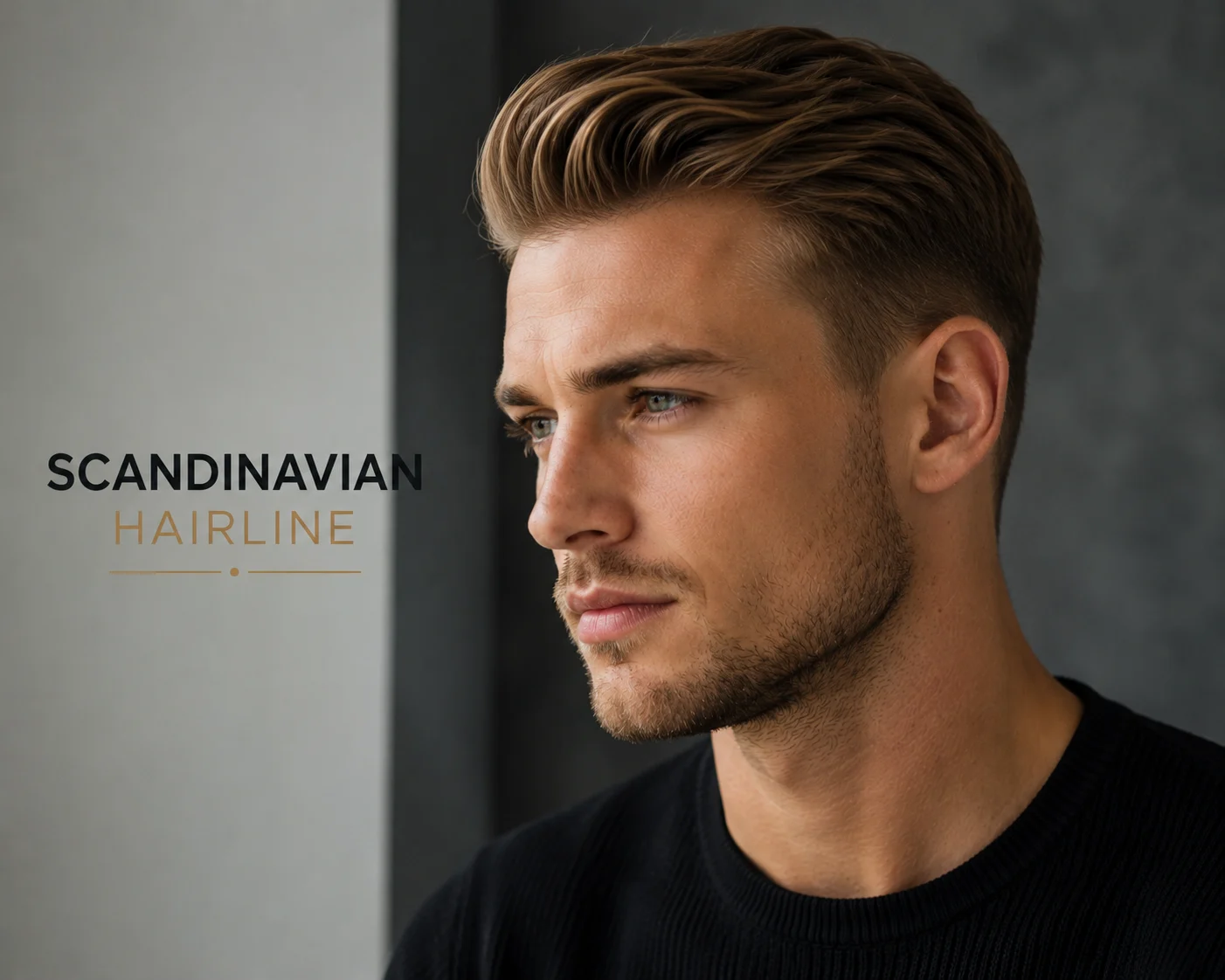
A Scandinavian hairline usually avoids extremely thick or overly compact front density. The hair closest to the forehead often appears naturally thinner than the hair farther back.
This lighter density creates dimension and realism. Hair transplant clinics and hairstylists sometimes intentionally mimic this pattern because natural human hairlines rarely grow with identical thickness from edge to edge.
That subtle variation contributes heavily to the authenticity of the look.
Slight Imperfections and Asymmetry
Perfect symmetry is not the goal of a Scandinavian hairline. Slight unevenness and irregular growth patterns actually make the style more believable and aesthetically pleasing.
Many hairstylists now intentionally avoid creating perfectly straight front hairlines because softer shapes often look more natural over time.
This relaxed structure is one reason the trend appeals to people seeking understated beauty rather than dramatic transformation.
Scandinavian Hairline in Hair Transplants
A Growing Trend in Cosmetic Clinics
Hair transplant specialists increasingly reference Scandinavian hairline design when discussing modern natural-looking procedures. Patients often request softer, feathered hairlines rather than aggressively straight or dense results.
In contemporary hair restoration, surgeons frequently create gradual density transitions using single-hair grafts near the front edge. This approach helps replicate the delicate appearance associated with Nordic-style hairlines.
The goal is realism rather than obvious cosmetic enhancement.
Why Natural Hairlines Matter
Older hair transplant techniques sometimes produced unnatural-looking hairlines with thick, sharply defined fronts. Advances in cosmetic procedures shifted focus toward softer and more age-appropriate designs.
The Scandinavian hairline aesthetic aligns closely with those improvements because it mirrors how natural hair typically grows.
Patients seeking subtle results often prefer this softer style because it blends better with aging patterns and facial proportions over time.
Hairstyles That Complement a Scandinavian Hairline
Loose and Textured Hairstyles
Soft waves, layered cuts, and textured hairstyles pair naturally with a Scandinavian hairline. These styles reinforce the effortless appearance that defines the trend.
Hair that moves naturally around the face helps maintain the softness of the front hairline rather than drawing attention to sharp edges or heavy styling.
Many Scandinavian-inspired beauty looks also incorporate lightweight volume instead of stiff, structured shapes.
Curtain Bangs and Face-Framing Layers
Curtain bangs work especially well with softer hairlines because they blend naturally into wispy front hairs. Face-framing layers also help emphasize the relaxed and understated feel of the aesthetic.
These cuts create movement around the forehead without hiding the hairline entirely. That balance often produces a more modern and approachable appearance.
The overall effect tends to feel elegant without looking overly polished.
Minimal Heat Styling
Heavy heat styling can sometimes clash with the soft aesthetic associated with Scandinavian beauty trends. Many people who embrace this hairline style prefer air-dried textures or minimal styling products.
Natural movement and lightweight texture generally complement the look better than rigid styling techniques.
This simplicity is part of the reason the trend appeals to people interested in low-maintenance beauty routines.
Does the Scandinavian Hairline Work for Everyone?
Suitable for Different Face Shapes
Although inspired by Nordic beauty aesthetics, the Scandinavian hairline can work across many face shapes and hair types. The softness around the forehead often creates a flattering frame for oval, heart-shaped, and square faces.
Because the style avoids severe angles, it usually appears more forgiving and adaptable than sharply structured hairlines.
Stylists often customize the level of softness depending on facial features and hair density.
Hair Texture Considerations
People with straight, wavy, curly, or coily hair can still adapt elements of the Scandinavian hairline trend. The core concept is softness and natural transition rather than a specific texture requirement.
However, implementation may vary depending on individual hair growth patterns. Some textures naturally create more volume or edge definition than others.
Experienced hairstylists generally focus on balance rather than trying to force identical results on every client.
Scandinavian Beauty Trends and Minimalism
The Influence of Nordic Aesthetics
The Scandinavian hairline trend reflects broader Nordic beauty values centered on simplicity, functionality, and natural appearance. Scandinavian fashion and beauty culture often prioritize subtle elegance over dramatic transformation.
This philosophy influences everything from skincare and makeup to haircuts and color choices.
Instead of chasing perfection, the focus tends to remain on enhancing natural features in understated ways.
The Shift Toward Natural Beauty
Over the past few years, beauty standards have gradually moved away from heavily filtered and highly sculpted appearances. Softer makeup, skin-focused beauty routines, and relaxed hairstyles became increasingly popular.
The Scandinavian hairline fits naturally into that shift because it embraces realistic texture and imperfect softness.
For many people, the trend feels refreshing after years of ultra-defined beauty aesthetics dominating social media culture.
Frequently Asked Questions
Q: What is a Scandinavian hairline?
A: A Scandinavian hairline is a soft, wispy, and natural-looking hairline style inspired by Nordic beauty aesthetics. It typically features fine baby hairs, lighter front density, and subtle asymmetry.
Q: Why is the Scandinavian hairline popular?
A: The trend became popular through social media and modern beauty movements that favor natural, low-maintenance, and effortless-looking appearances over sharply sculpted styles.
Q: Can you create a Scandinavian hairline naturally?
A: Yes. Hairstylists can shape softer front layers and baby hairs to mimic the appearance. Some people also naturally have hairlines with Scandinavian-style softness and feathering.
Q: Is the Scandinavian hairline used in hair transplants?
A: Yes. Many modern hair transplant clinics use Scandinavian-inspired hairline designs because softer and less dense front hairlines generally appear more realistic.
Q: Does the Scandinavian hairline suit all hair types?
A: The concept can work across different hair textures and face shapes. Stylists usually adapt the softness and density based on individual features and natural hair growth patterns.
Conclusion
The Scandinavian hairline represents a larger movement toward softer, more natural beauty standards. Defined by wispy edges, gentle density transitions, and understated elegance, the style has become increasingly popular among hairstylists, influencers, and people seeking effortless beauty aesthetics.
Its appeal lies in realism. Instead of chasing perfectly sculpted lines, the Scandinavian hairline embraces subtle imperfections that make hair appear naturally beautiful and modern.
Whether someone is considering a haircut, adjusting their styling routine, or exploring hair restoration options, this Nordic-inspired trend continues influencing how people think about natural-looking hairlines and contemporary beauty.