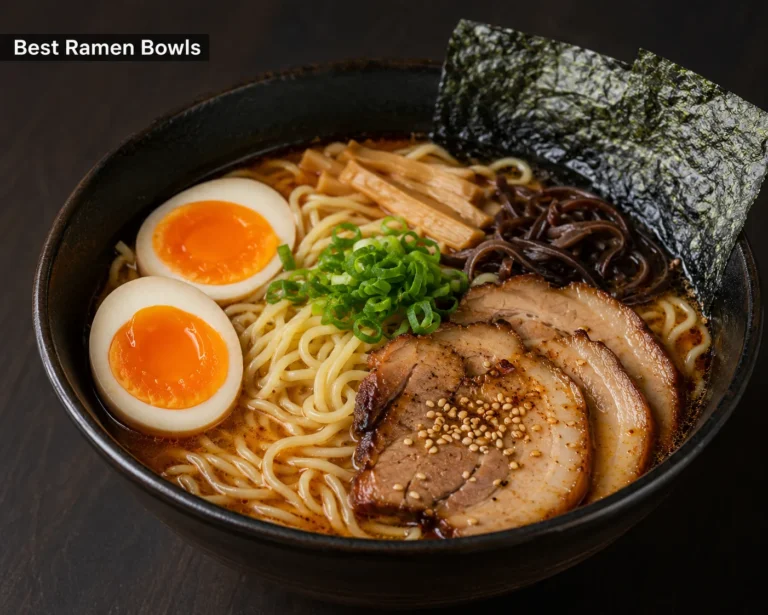
A best ramen bowls of ramen deserves more than an ordinary dish. The best ramen bowls are specifically designed to hold hot broth, noodles, and toppings while enhancing the overall dining experience. Whether you’re preparing authentic Japanese ramen at home or upgrading your kitchenware collection,best ramen bowls, choosing the right bowl can make a noticeable difference.
Ramen bowls are typically deeper and wider than standard soup bowls. Their shape helps retain heat, provides space for toppings, and allows diners to comfortably enjoy both the broth and noodles. In this guide, best ramen bowls,you’ll learn everything about the best ramen bowls, including materials, sizes, styles, and features that matter most.
What Are Ramen Bowls?
best ramen bowls, often called ramen-bachi in Japan, are specially designed vessels used to serve ramen. Unlike ordinary soup bowls, they are wider, deeper, and built to accommodate broth, noodles,best ramen bowls, vegetables, eggs, meat, and other toppings. Traditional ramen bowls are generally made from ceramic or porcelain, which helps maintain temperature throughout the meal.
The design is not purely decorative. The bowl’s depth prevents spills,best ramen bowls, while its wide opening allows ingredients to be beautifully arranged and easily accessed with chopsticks and a spoon.
Why the Right Ramen Bowl Matters
Better Heat Retention
One of the biggest advantages of a quality ramen bowl is its ability to keep broth hot. Ceramic and porcelain bowls are particularly effective because their thick walls retain heat for longer periods. This allows diners to enjoy every bite at the proper temperature.
In Japanese dining culture,best ramen bowls, temperature is an important part of the ramen experience. A properly heated bowl helps preserve the flavor and aroma of the broth.
Improved Presentation
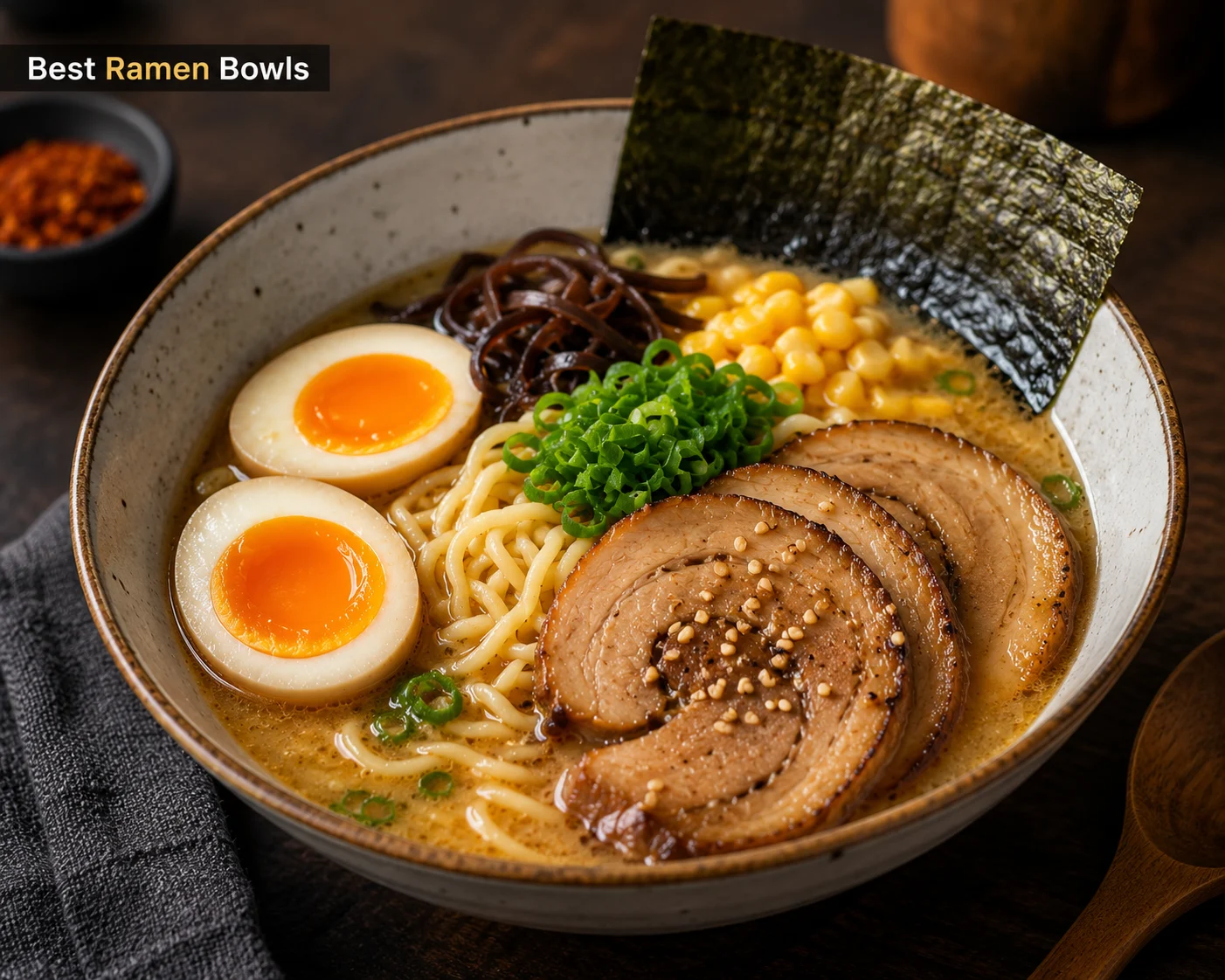
Presentation plays a major role in ramen. A wider bowl gives chefs and home cooks enough room to arrange ingredients attractively. Chashu pork, soft-boiled eggs, green onions, bamboo shoots, and seaweed can all be displayed without appearing crowded.
Many ramen enthusiasts prefer wide-mouth bowls because they showcase toppings more effectively and create a restaurant-style appearance.
Enhanced Eating Experience
A bowl designed specifically for ramen makes eating easier. The depth keeps noodles submerged in broth, while the curved interior helps diners retrieve every last bite. The experience feels more authentic and enjoyable compared to using regular kitchen bowls.
Types of Ramen Bowls
Deep Ramen Bowls
Deep ramen bowls feature higher sides and greater capacity. They are ideal for rich broths such as tonkotsu and miso ramen because they can comfortably hold larger amounts of liquid and toppings.
These bowls are also excellent for maintaining temperature. The additional depth reduces heat loss and helps keep broth warm throughout the meal.
Wide-Mouth Ramen Bowls
Wide-mouth bowls prioritize presentation. Their broader opening allows toppings to be spread evenly across the surface rather than stacked on top of one another.
Many ramen restaurants use wide bowls because they showcase ingredients beautifully and make it easier for customers to appreciate the craftsmanship of the dish.
Traditional Japanese Menbachi
Menbachi are versatile noodle bowls commonly used throughout Japan. They provide a balance between depth and width, making them suitable for various ramen styles. Their generous size accommodates broth, noodles, and toppings comfortably.
For home cooks seeking a traditional option, menbachi bowls are often considered one of the most practical choices.
Best Materials for Ramen Bowls
Ceramic
Ceramic remains the gold standard for ramen bowls. It offers excellent heat retention, durability, and an authentic appearance. Many traditional Japanese ramen bowls are handcrafted from ceramic and feature beautiful glazes and artistic designs.
Ceramic bowls are heavier than other materials, but many enthusiasts view that weight as part of the authentic ramen experience.
Porcelain
Porcelain bowls provide many of the same benefits as ceramic while often appearing more refined and elegant. They are durable, easy to clean, and excellent at maintaining broth temperature.
Their smooth finish makes them a popular choice for both home kitchens and restaurants.
Melamine
Melamine bowls are lightweight and highly durable. They are commonly used in casual dining establishments because they resist breaking and are easy to handle.
While convenient, melamine does not retain heat as effectively as ceramic or porcelain.
Stainless Steel
Some modern ramen bowls use stainless steel construction. These bowls are extremely durable and resistant to damage. They also offer a contemporary appearance that appeals to many home cooks.
Choosing the Right Size
Size is one of the most important factors when selecting a ramen bowl.
For most home cooks, a bowl with a capacity between 800 ml and 1,200 ml works well. This size provides enough room for broth, noodles, and toppings without feeling overcrowded.
If you enjoy restaurant-style portions with extra toppings, larger bowls ranging from 1,200 ml to 1,500 ml may be the better option. These larger bowls create visual appeal while preventing spills.
A bowl that is too small can make serving difficult and reduce the overall enjoyment of the meal.
Features to Look For
Thick Walls
Thicker walls improve heat retention and make the bowl more comfortable to handle. Many traditional Japanese ramen bowls feature substantial construction for this reason.
Stable Base
A sturdy base helps prevent tipping and ensures the bowl remains stable on the table. This becomes especially important when handling hot broth.
Attractive Design
Traditional patterns such as waves, dragons, floral motifs, and brushstroke glazes add character and authenticity. Many Japanese bowls feature decorative elements that become visible as the meal progresses.
Comfortable Rim
A well-designed rim makes sipping broth easier and enhances comfort while eating. Flared rims are particularly popular because they improve accessibility and aroma release.
Matching Bowls to Ramen Styles
Different ramen styles can benefit from different bowl shapes.
Tonkotsu Ramen
Rich pork-based tonkotsu ramen works best in deep bowls that retain heat and accommodate substantial broth volumes.
Miso Ramen
Miso ramen is often served with hearty toppings and thick broth. Larger bowls provide enough space for vegetables, eggs, and other ingredients.
Shoyu Ramen
Shoyu ramen pairs well with narrower, deeper bowls that help preserve the temperature of its clear soy sauce-based broth.
Shio Ramen
The lighter character of shio ramen is often complemented by elegant bowls that emphasize presentation and simplicity.
How to Care for Ramen Bowls
Proper maintenance extends the lifespan of your ramen bowls.
- Wash ceramic and porcelain bowls gently.
- Avoid sudden temperature changes.
- Store bowls carefully to prevent chipping.
- Check manufacturer instructions for dishwasher safety.
- Pre-warm bowls before serving hot ramen for improved heat retention.
Following these simple practices helps preserve both appearance and functionality.
Frequently Asked Questions
Q: What size ramen bowl is best?
A: Most people find bowls between 1,000 ml and 1,200 ml ideal. This size comfortably accommodates noodles, broth, and toppings while maintaining attractive presentation.
Q: Are ceramic ramen bowls better than melamine?
A: Ceramic bowls generally offer better heat retention and a more authentic dining experience. Melamine bowls are lighter and more durable but may not keep broth hot for as long.
Q: Why are ramen bowls so large?
A: Ramen bowls need space for broth, noodles, and toppings. Larger bowls also improve presentation and reduce the likelihood of spills during eating.
Q: Can I use a regular soup bowl for ramen?
A: Yes, but a dedicated ramen bowl provides better heat retention, improved presentation, and enough capacity for a complete serving of ramen.
Q: What material do Japanese restaurants typically use?
A: Many traditional ramen shops use ceramic or porcelain bowls because they retain heat effectively and contribute to the authentic dining experience.
Conclusion
Finding the best ramen bowls can significantly enhance your enjoyment of one of Japan’s most beloved dishes. The ideal bowl combines functionality, heat retention, capacity, and visual appeal. Whether you choose a traditional ceramic menbachi, a deep restaurant-style bowl, or a modern porcelain design, the right choice will elevate every bowl of ramen you serve.
By focusing on size, material, shape, and craftsmanship, you can create a more authentic and satisfying ramen experience at home. A great bowl does more than hold noodles and broth—it becomes part of the meal itself.