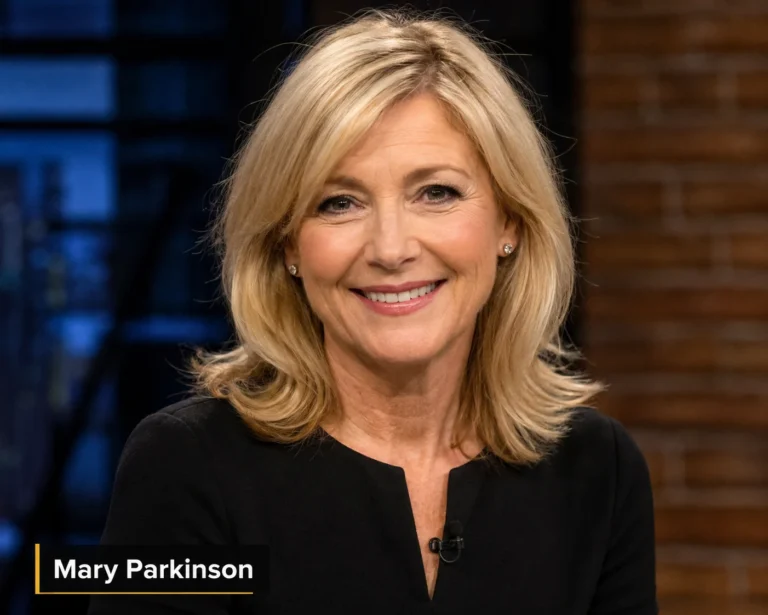
Mary Parkinson is one of the most respected figures associated with British television during the latter half of the twentieth century. Although many people recognize her as the wife of legendary broadcaster Sir Michael Parkinson, Mary established a successful media career in her own right, earning admiration as a journalist, presenter, and television personality.
Throughout the 1970s and 1980s, she became a familiar face on British television screens. Her professionalism, intelligence, and warm interviewing style helped her stand out in an industry that was undergoing rapid transformation. At a time when women were still fighting for equal opportunities in broadcasting, Mary Parkinson demonstrated that talent, determination, and credibility could open doors and inspire audiences.
Today, interest in Mary Parkinson remains strong, particularly among those interested in British television history and the remarkable partnership she shared with Michael Parkinson. Her story is about far more than being married to a famous broadcaster. It is a story of ambition, resilience, and a successful career built on her own achievements.
Who Is Mary Parkinson? A Short Biography
| Detail | Information |
|---|---|
| Full Name | Mary Agnes Parkinson (née Heneghan) |
| Date of Birth | 16 July 1936 |
| Age | 89 (as of 2026) |
| Birthplace | Doncaster, West Riding of Yorkshire, England |
| Nationality | British |
| Profession | Journalist, Television Presenter |
| Years Active | 1972–1987 |
| Famous For | Television presenting and journalism |
| Spouse | Sir Michael Parkinson (1959–2023) |
| Children | 3 |
Early Life and Background
Growing Up in Yorkshire
Mary Agnes Heneghan was born on 16 July 1936 in Doncaster, Yorkshire. Growing up in post-war Britain, she witnessed a country rebuilding itself socially, economically, and culturally. These experiences shaped a generation that valued hard work, resilience, and opportunity.
While relatively little public information exists about her early childhood and education, those who later worked with Mary often described her as intelligent, thoughtful, and naturally curious. These qualities would eventually serve her well in journalism and broadcasting.
Yorkshire has produced many influential figures in British media, politics, and culture. The region’s reputation for honesty and straightforward communication can often be seen in the personalities it produces, and Mary Parkinson embodied many of those characteristics throughout her career.
Developing an Interest in Communication
Long before becoming a television presenter, Mary demonstrated a keen interest in people and communication. Journalism appealed to her because it offered opportunities to explore stories, engage with audiences, and discuss important issues.
The broadcasting industry during the mid-twentieth century was highly competitive, particularly for women. Yet Mary possessed the confidence and capability necessary to succeed in an environment where opportunities were often limited.
Her ability to connect naturally with people became one of her defining strengths and later contributed significantly to her success on television.
Meeting Michael Parkinson
One of the most important chapters of Mary Parkinson’s life began when she met Michael Parkinson. The couple married in 1959 and built a partnership that lasted more than six decades.
Their relationship became one of the most enduring marriages in British media. While Michael Parkinson’s career often placed him in the spotlight, Mary remained a crucial source of support and guidance behind the scenes.
Friends and family frequently described their marriage as a genuine partnership built on mutual respect, trust, and shared values. Their long-lasting relationship became increasingly rare in the entertainment industry and attracted admiration from many observers.
Entering the World of Television
A Changing Media Landscape
The 1970s represented a fascinating period for British television. Broadcasters were experimenting with new formats, audiences were growing, and opportunities for presenters were expanding.
For women, however, television remained a challenging industry. While progress had been made, female presenters still faced barriers that their male counterparts rarely encountered.
Mary Parkinson entered broadcasting during this period of change. Her combination of journalistic skill and on-screen confidence allowed her to carve out a place for herself within the industry.
Rather than relying on celebrity status, she built credibility through professionalism and competence.
The Transition from Journalism to Television
Many successful television presenters begin their careers in journalism, and Mary followed a similar path. Her journalistic background gave her strong interviewing skills and an understanding of how to communicate effectively with audiences.
These abilities proved invaluable when she transitioned into television presenting. Unlike presenters who relied solely on charisma, Mary brought substance and preparation to every assignment.
Viewers appreciated her authentic style. She appeared approachable without sacrificing professionalism, a balance that helped her connect with a wide audience.
Building a Reputation
As her television appearances increased, Mary Parkinson gradually developed a reputation as a reliable and engaging broadcaster.
Industry professionals respected her work ethic and preparation. Audiences appreciated her warmth and intelligence.
This growing reputation eventually led to one of the most significant opportunities of her broadcasting career.
Success with Good Afternoon
Becoming a Household Name
Mary Parkinson is perhaps best remembered for presenting the Thames Television daytime program Good Afternoon.
The show featured a mix of interviews, current affairs discussions, lifestyle content, and human-interest stories. During an era when daytime television was evolving, the program became popular among viewers seeking informative yet entertaining content.
As host, Mary played a central role in shaping the program’s identity. Her conversational style made guests feel comfortable, while her journalistic instincts ensured discussions remained engaging and informative.
The success of the show helped transform her into a recognizable figure across Britain.
Why Good Afternoon Connected with Audiences
Part of the program’s appeal came from its ability to balance serious topics with lighter entertainment.
Mary Parkinson excelled at navigating this balance. One moment she might be discussing an important social issue, and the next she could be conducting a relaxed celebrity interview.
This versatility demonstrated her skill as a broadcaster.
Viewers trusted her because she appeared genuine rather than overly polished. Her authenticity became one of her greatest strengths and contributed significantly to the program’s popularity.
Influence on Daytime Television
Today, daytime television is a major part of broadcasting schedules around the world. However, during the 1970s, the format was still developing.
Programs like Good Afternoon helped establish many conventions that remain common today, including magazine-style segments, audience engagement, and a mixture of information and entertainment.
Mary Parkinson’s contribution to this evolution should not be underestimated. Her work helped demonstrate what effective daytime presenting could look like.
Television Career Beyond Good Afternoon
Through the Keyhole and Other Appearances
Beyond Good Afternoon, Mary Parkinson appeared on numerous television programs.
One of her most notable roles was as a regular panelist on Through the Keyhole, a popular British television show where celebrity guests attempted to identify the owners of famous homes.
Her observations, wit, and thoughtful commentary made her a valuable contributor to the program.
Unlike many panelists who relied on loud personalities, Mary stood out through intelligence and insight.
Guest Appearances Across British Television
Throughout her broadcasting career, she appeared on a variety of entertainment and discussion programs.
These appearances helped reinforce her status as a respected television personality and introduced her to audiences beyond those who regularly watched daytime television.
Her versatility allowed her to move comfortably between different formats, from interviews to panel discussions and feature presentations.
A Trusted Media Figure
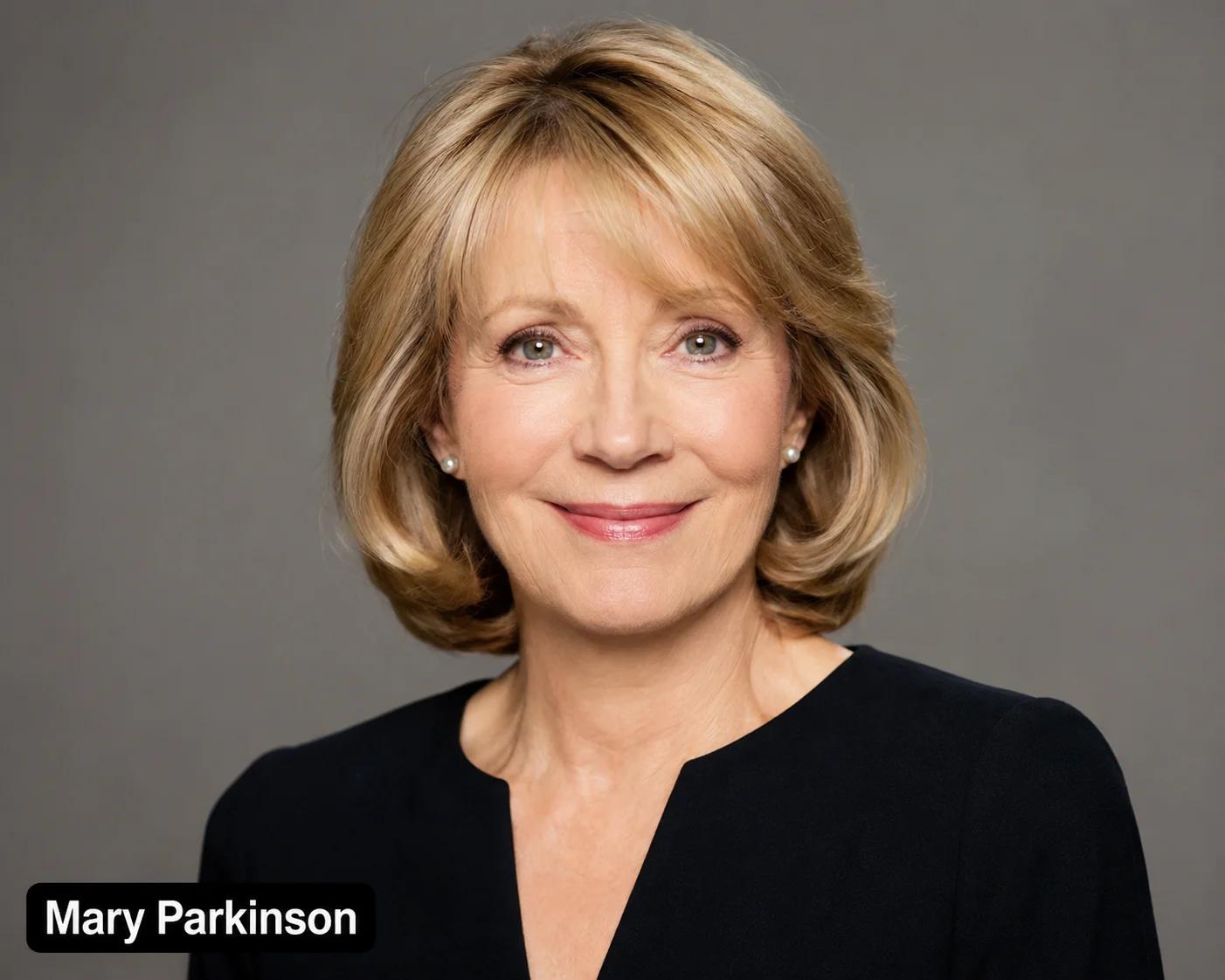
By the mid-1980s, Mary Parkinson had become one of Britain’s most recognizable television presenters.
Importantly, she achieved this status through her own work rather than solely through her connection to Michael Parkinson.
This distinction matters because it reflects the genuine respect she earned within the industry.
Her career serves as a reminder that professional credibility is built through consistent performance and dedication.
Life as Part of a Broadcasting Family
Supporting a Legendary Interviewer
Michael Parkinson’s career made him one of the most influential broadcasters in British history.
Behind that success stood Mary Parkinson.
While Michael conducted famous interviews with world leaders, actors, musicians, and athletes, Mary provided support, perspective, and stability away from the cameras.
Family members have often emphasized the important role she played throughout his career.
Their partnership represented a team effort rather than a one-sided relationship.
Raising Three Children
Mary and Michael Parkinson raised three sons together while balancing demanding professional responsibilities.
Managing family life alongside careers in media required significant commitment and organization.
Like many working parents, they faced challenges associated with balancing professional obligations and personal responsibilities.
Mary’s ability to maintain both a successful career and a strong family life remains one of her most impressive achievements.
Maintaining Privacy
Despite living in the public eye, Mary Parkinson generally preferred a private lifestyle.
Unlike many modern celebrities who share personal details regularly, she focused on her work rather than publicity.
This discretion contributed to her reputation as a serious professional rather than a celebrity seeking attention.
Many colleagues admired her ability to maintain dignity and privacy despite public interest in her family.
Impact on Women in Broadcasting
Breaking Barriers
The television industry of the 1970s and 1980s presented numerous challenges for women.
Although progress was occurring, leadership positions and high-profile presenting roles remained dominated by men.
Mary Parkinson’s success demonstrated that women could excel in prominent broadcasting roles and command audience respect.
Her achievements helped create opportunities for future generations of female presenters.
A Role Model for Aspiring Journalists
Young journalists often look for examples of professionals who combined credibility with accessibility.
Mary Parkinson provided such an example.
Her career showed that effective communication involves more than simply speaking on camera. It requires preparation, empathy, curiosity, and professionalism.
These qualities continue to be valuable in modern journalism.
Lasting Professional Respect
Even years after retiring from broadcasting, Mary Parkinson remains respected within discussions of British television history.
Her contributions may not always receive the same level of attention as some larger-than-life television personalities, but her influence remains significant.
She helped shape standards of professionalism that continue to guide presenters today.
Public Interest Following Michael Parkinson’s Death
Renewed Attention
When Sir Michael Parkinson passed away in 2023, public interest in Mary Parkinson increased significantly.
Many tributes highlighted not only Michael’s accomplishments but also the partnership that helped sustain his remarkable career.
Observers reflected on the couple’s extraordinary marriage and the mutual support that defined their relationship.
Recognition of Her Own Achievements
The renewed attention also encouraged many people to revisit Mary’s own broadcasting career.
Articles and television retrospectives reminded audiences that she had achieved success independently long before becoming widely known as Michael Parkinson’s wife.
This recognition helped ensure her contributions received the attention they deserved.
Frequently Asked Questions
Q: Who is Mary Parkinson?
A: Mary Parkinson is a British former journalist and television presenter best known for hosting Good Afternoon and appearing on several popular British television programs during the 1970s and 1980s.
Q: When was Mary Parkinson born?
A: Mary Parkinson was born on 16 July 1936 in Doncaster, Yorkshire, England.
Q: Was Mary Parkinson married to Michael Parkinson?
A: Yes. She married broadcaster Sir Michael Parkinson in 1959, and they remained married until his death in 2023.
Q: How many children does Mary Parkinson have?
A: Mary Parkinson and Michael Parkinson have three children.
Q: What is Mary Parkinson famous for?
A: She is known for her work as a journalist and television presenter, particularly as the host of Good Afternoon and as a regular panelist on Through the Keyhole.
Conclusion
Mary Parkinson occupies a unique place in British broadcasting history. While many people first recognize her connection to Sir Michael Parkinson, her own achievements as a journalist and television presenter deserve equal recognition. Through programs such as Good Afternoon and numerous other television appearances, she established herself as a respected media professional during a transformative era for broadcasting.
Her career reflects determination, talent, and professionalism. She successfully balanced family responsibilities with public life while earning the respect of colleagues and viewers alike. As discussions about television history continue, Mary Parkinson remains an important figure whose contributions helped shape British broadcasting and inspire future generations of presenters and journalists.
Her story is ultimately one of quiet achievement, lasting influence, and a remarkable career that stands proudly on its own merits.