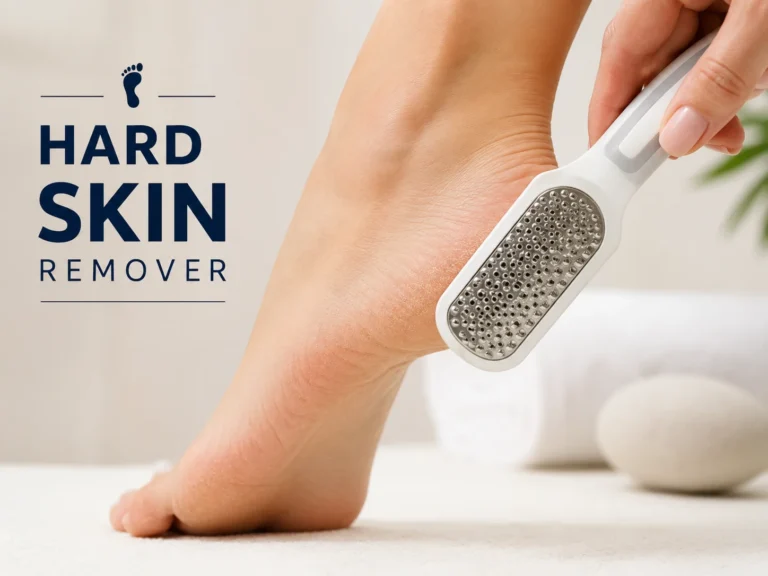
Hard skin on the feet is a common problem that affects people of all ages. It usually develops when repeated pressure or friction causes the skin to thicken as a natural protective response. While a small amount of hard skin is normal, excessive buildup can become uncomfortable, unsightly, and even painful.
A hard skin remover is a tool or treatment designed to eliminate dead skin cells and reduce thick calluses. Whether you use a manual foot file, an electronic callus remover, or an exfoliating treatment, the right product can help restore smooth, healthy-looking feet. This guide explains everything you need to know about hard skin removers, including their benefits, types, and proper usage.
What Is a Hard Skin Remover?
A hard skin remover is a device or treatment used to remove thickened, dead skin from the feet. These products are commonly used on heels, toes, and the balls of the feet, where calluses tend to develop.
The main purpose of a hard skin remover is to gently exfoliate rough areas without damaging healthy skin underneath. Regular use can improve both comfort and appearance while helping prevent cracked heels and painful calluses.
Why Does Hard Skin Develop?
Hard skin forms when the body responds to repeated pressure or friction. It acts as a protective barrier, but excessive buildup can create problems.
Common causes include:
- Walking or standing for long periods
- Wearing tight or poorly fitted shoes
- Going barefoot frequently
- High-impact sports and exercise
- Dry skin and lack of foot care
- Age-related skin changes
Understanding the cause can help prevent hard skin from returning after treatment.
Types of Hard Skin Removers
Manual Foot Files
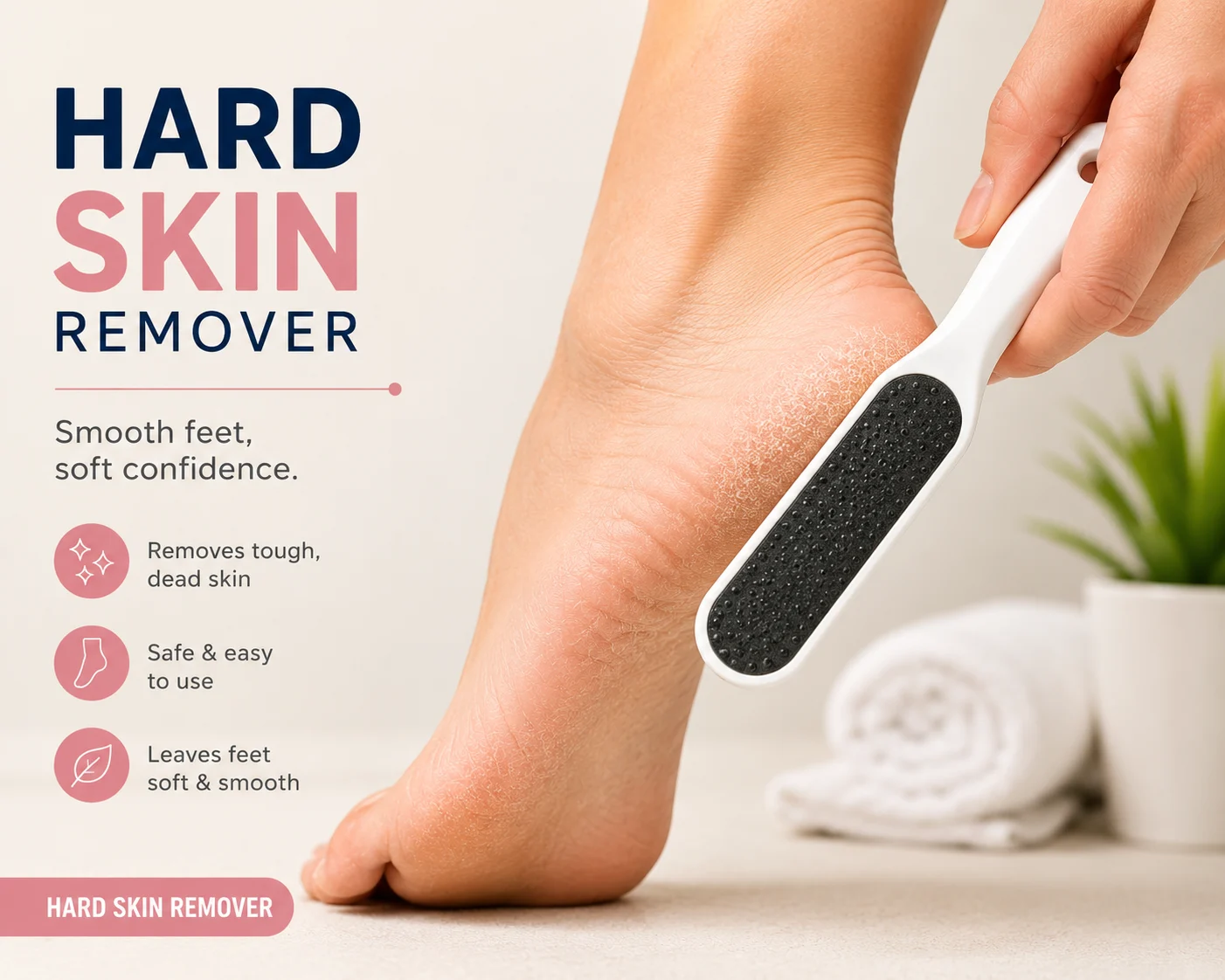
Manual foot files are among the most popular hard skin remover tools. They feature a textured surface designed to gently file away rough skin.
These tools are affordable, easy to use, and suitable for regular maintenance. They are especially effective when used after soaking the feet in warm water.
Electric Callus Removers
Electric hard skin removers use rotating rollers to remove dead skin more quickly and efficiently than manual files.
Many people prefer electric models because they require less effort and provide consistent results. They are ideal for individuals with thicker calluses or heavily cracked heels.
Pumice Stones
Pumice stones are natural volcanic rocks commonly used for foot exfoliation. Their rough texture helps remove dead skin while smoothing rough patches.
Although they may work more slowly than modern foot files, pumice stones remain a popular and affordable option.
Chemical Exfoliating Treatments
Some hard skin removers use exfoliating ingredients rather than physical abrasion. These products may contain urea, lactic acid, glycolic acid, or salicylic acid.
Chemical exfoliants gradually soften and dissolve dead skin, making them particularly useful for stubborn calluses and severely dry feet.
Benefits of Using a Hard Skin Remover
Improves Foot Appearance
One of the most noticeable benefits is smoother, healthier-looking feet. Removing rough skin can significantly improve the appearance of heels and soles.
People who regularly wear sandals or open-toed shoes often find that foot care boosts their confidence.
Prevents Cracked Heels
Excessive hard skin can eventually split and form painful cracks. Regular exfoliation helps prevent thick skin from building up to problematic levels.
Maintaining smooth skin reduces the likelihood of deep fissures developing over time.
Enhances Comfort
Thick calluses can create pressure points that make walking uncomfortable. Removing excess skin can reduce discomfort and improve overall foot health.
Many people notice immediate relief after treating heavily callused areas.
Supports Better Foot Hygiene
Dead skin can trap dirt and moisture. Routine exfoliation helps keep feet cleaner and healthier while supporting good hygiene practices.
Combined with proper moisturizing, it can contribute to long-term foot wellness.
How to Use a Hard Skin Remover Safely
Using a hard skin remover correctly is important for achieving the best results while avoiding irritation.
Step 1: Soak Your Feet
Begin by soaking your feet in warm water for 10 to 15 minutes. This softens the skin and makes removal easier.
Adding a mild soap or foot soak solution can enhance the process.
Step 2: Gently Remove Hard Skin
Use your chosen hard skin remover on rough areas. Apply gentle pressure and work gradually.
Avoid excessive scraping, as removing too much skin can cause soreness and irritation.
Step 3: Rinse and Dry
Wash away any loose skin particles and thoroughly dry your feet with a clean towel.
Pay special attention to the areas between the toes.
Step 4: Apply Moisturizer
Finish by applying a rich foot cream or moisturizer. Products containing urea are especially effective for maintaining soft skin.
Regular moisturizing helps prevent future hard skin buildup.
Common Mistakes to Avoid
Many people unknowingly damage their skin by overusing foot care tools.
Some mistakes include:
- Filing too aggressively
- Removing skin every day
- Using sharp blades without proper training
- Skipping moisturizer after treatment
- Ignoring footwear issues that cause calluses
A gentle and consistent approach is generally more effective than aggressive removal.
Choosing the Best Hard Skin Remover
The ideal hard skin remover depends on your individual needs.
For mild roughness, a manual foot file or pumice stone may be sufficient. People with thicker calluses often benefit from electric devices that offer faster and more powerful exfoliation.
Those with extremely dry or cracked feet may achieve better results by combining a physical remover with a moisturizing treatment containing exfoliating ingredients.
Reading product reviews and selecting reputable brands can also help ensure safe and effective results.
Frequently Asked Questions
Q: How often should I use a hard skin remover?
A: Most people can safely use a hard skin remover once or twice per week. Overuse may cause irritation or excessive skin sensitivity.
Q: Can hard skin removers remove deep calluses?
A: Many hard skin removers can reduce thick calluses over time. Severe calluses may require multiple treatments or professional foot care.
Q: Are electric hard skin removers better than manual files?
A: Electric models are often faster and more efficient, but manual files remain effective for routine maintenance and lighter calluses.
Q: Should I moisturize after removing hard skin?
A: Yes. Moisturizing helps keep skin soft, prevents dryness, and reduces the chance of hard skin returning quickly.
Q: Is hard skin removal safe for everyone?
A: People with diabetes, circulation problems, or foot conditions should consult a healthcare professional before using hard skin removal tools.
Conclusion
A hard skin remover can be an effective solution for rough heels, calluses, and dry feet. Whether you choose a manual foot file, an electric callus remover, a pumice stone, or a chemical exfoliating treatment, regular foot care can improve comfort, appearance, and overall foot health.
The key is to remove hard skin gently, moisturize consistently, and address the factors causing excessive buildup. With proper care and maintenance, smooth and healthy feet can become a simple part of your regular self-care routine.