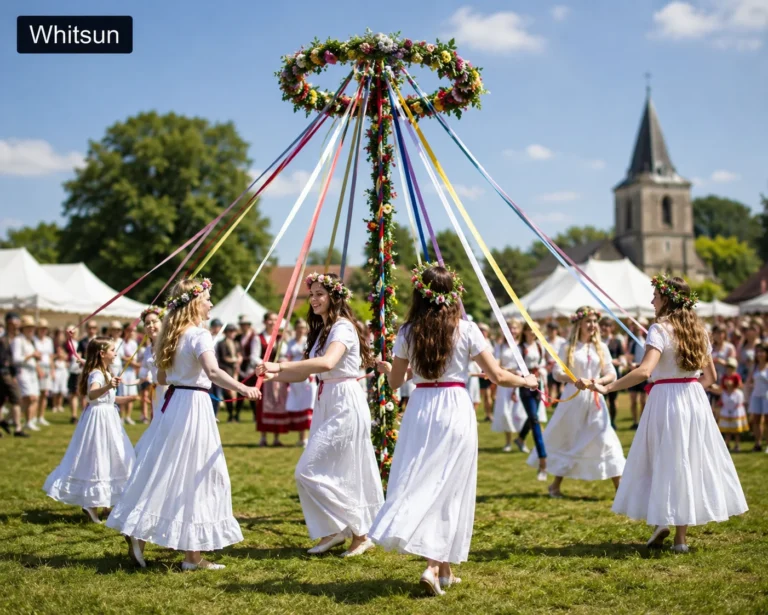
Whitsun is a significant Christian festival celebrated on the seventh Sunday after Easter. The holiday commemorates the descent of the Holy Spirit upon the Apostles and other followers of Jesus Christ, an event described in the New Testament. In many Christian traditions, Whitsun is another name for Pentecost, one of the most important observances in the Christian calendar.
For centuries, Whitsn has been marked by religious services, community gatherings, family celebrations, and cultural traditions. Although modern observance varies from country to country, the festival remains a meaningful occasion for millions of Christians around the world.
This article explores the origins of Whitsun, its religious significance, historical traditions, and how it continues to be celebrated today.
What Is Whitsn?
Whitsun, also known as Whit Sunday, is the Christian festival that celebrates the coming of the Holy Spirit upon Jesus’ disciples. It occurs fifty days after Easter Sunday and ten days after Ascension Day.
The event commemorated by Whitsun is recorded in the Book of Acts, where the Holy Spirit descended upon the Apostles in Jerusalem. According to Christian belief, this moment empowered them to spread the teachings of Jesus to people from different nations and languages.
Because of its importance, Whitsun is often regarded as the birthday of the Christian Church.
Why Is It Called Whitsn?
The exact origin of the name “Whitsn” has been debated by historians.
One widely accepted explanation is that the term comes from “White Sunday.” In the early Church, people who had been baptized around Pentecost often wore white garments as symbols of purity and new life in faith.
Over time, “White Sunday” evolved into “Whitsun,” a name that became especially common in England and other parts of the United Kingdom.
Relationship Between Whitsun and Pentecost
Today, many churches use the term Pentecost more frequently than Whitsun. However, both names refer to the same religious celebration.
The word Pentecost comes from the Greek word meaning “fiftieth,” referring to the festival’s timing fifty days after Easter.
The Biblical Origins of Whitsn
The Story in the Book of Acts
The origins of Whitsun are found in the New Testament, specifically in the Book of Acts.
According to the account, Jesus’ followers were gathered in Jerusalem when they experienced a powerful event. A sound like a rushing wind filled the house, and what appeared to be tongues of fire rested on each person present.
The disciples were then filled with the Holy Spirit and began speaking in different languages.
A Message for All Nations
The miracle attracted people from many regions who had traveled to Jerusalem.
Despite coming from different cultures and speaking different languages, they were able to understand the Apostles’ message. Christians view this event as a symbol of God’s desire to reach people throughout the world.
This moment marked the beginning of widespread Christian evangelism.
The Birth of the Christian Church
Many Christian traditions regard Whitsun as the birth of the Church because it was the point at which the disciples began actively sharing the teachings of Jesus.
Following Peter’s sermon on that day, thousands of people reportedly embraced the Christian faith.
Religious Significance of Whitsn
Celebrating the Holy Spirit
The central focus of Whitsun is the Holy Spirit, who is considered the third person of the Holy Trinity in Christian theology.
The festival reminds believers of the Holy Spirit’s role in providing guidance, wisdom, strength, and spiritual gifts.
A Time for Reflection
For many Christians, Whitsn is an opportunity to reflect on their faith and spiritual journey.
Church services often emphasize themes such as renewal, unity, courage, and service to others.
These messages connect directly to the experiences of the Apostles following the descent of the Holy Spirit.
Unity Among Believers
One of the strongest themes associated with Whitsun is unity.
The event symbolizes people from different backgrounds coming together through a shared faith, a message that continues to resonate in modern Christian communities.
Historical Whitsun Traditions
Church Services and Processions
Throughout history, Whitsun was celebrated with special church services and public processions.
Congregations often decorated churches with flowers, greenery, and red banners representing the flames associated with the Holy Spirit.
These ceremonies were important community events in many towns and villages.
Baptisms and White Clothing
In early Christian traditions, baptisms frequently took place during the Pentecost season.
Newly baptized believers wore white robes as symbols of spiritual cleansing and commitment to their faith.
This practice is believed to have contributed to the name Whitsun.
Community Festivals
In many parts of Europe, Whitsun became associated with local fairs, dances, and outdoor celebrations.
The festival often marked the arrival of warmer weather and provided an opportunity for communities to gather and celebrate together.
Whitsn in the United Kingdom
Historical Importance
Whitsn held a particularly important place in British culture for centuries.
Schools, businesses, and factories often closed for the Whitsun holiday period, creating opportunities for family gatherings and community events.
Whit Monday
Traditionally, the day following Whitsun was known as Whit Monday.
It became a public holiday in many regions and was associated with parades, sporting events, and local festivities.
Although public holiday arrangements have changed over time, Whit Monday remains historically significant.
Village Celebrations
Many British communities organized processions, church parades, and music performances during the Whitsun season.
These events helped strengthen community bonds and preserve local traditions.
Whitsn Around the World
Europe
Many European countries continue to observe Pentecost as a public holiday.
Church services, cultural festivals, and family gatherings remain common features of the celebration.
In some regions, special foods and local customs are associated with the holiday.
North America
In the United States and Canada, Pentecost is primarily observed through church services rather than public holidays.
Christian denominations often emphasize prayer, worship, and reflection during the occasion.
Africa, Asia, and Latin America
Pentecost has significant importance in many Christian communities throughout Africa, Asia, and Latin America.
Special worship services, music, and community outreach activities often form part of the celebrations.
Symbols Associated With Whitsun
Fire
Fire is one of the most recognizable symbols of Whitsun.
It represents the tongues of flame described in the biblical account and symbolizes the presence and power of the Holy Spirit.
Dove
The dove is another important symbol.
In Christian tradition, it represents peace, purity, and the Holy Spirit.
Many churches use dove imagery during Pentecost services.
Red Color
Red is commonly used in church decorations and clergy vestments during Whitsun.
The color symbolizes spiritual power, sacrifice, and the flames associated with the descent of the Holy Spirit.
Modern Relevance of Whitsn
Spiritual Renewal
Many Christians view Whitsun as a time of spiritual renewal and personal growth.
The themes of courage, inspiration, and faith remain relevant in contemporary society.
Community and Fellowship
Whitsun continues to encourage community participation and fellowship among believers.
Church events often provide opportunities for people to connect, support one another, and celebrate shared values.
Preserving Tradition
Even in increasingly secular societies, Whitsun remains an important cultural and historical observance.
Many communities continue to preserve local customs that have been passed down through generations.
Frequently Asked Questions
Q: What is Whitsun?
A: Whitsun is a Christan festival that celebrates the descent of the Holy Spirit upon the Apostles. It is another name for Pentecost and occurs fifty days after Easter.
Q: Why is it called Whitsn?
A: The name is believed to come from “White Sunday,” referring to the white garments traditionally worn by newly baptized Christians.
Q: Is Whitsn the same as Pentecost?
A: Yes. Whitsun and Pentecost refer to the same Christian festival, although the term Pentecost is more commonly used today.
Q: When is Whitsun celebrated?
A: Whitsun is celebrated on the seventh Sunday after Easter, fifty days after Easter Sunday.
Q: Why is Whitsun important to Christians?
A: It commemorates the coming of the Holy Spirit and is often regarded as the birth of the Christian Church.
Conclusion
Whitsun remains one of the most meaningful celebrations in the Christian calendar. Marking the descent of the Holy Spirit upon the Apostles, it symbolizes faith, unity, courage, and the beginning of the Church’s mission to share the teachings of Jesus Christ.
From ancient baptisms and church processions to modern worship services and community gatherings, Whitsun has evolved while retaining its spiritual significance. Whether observed as Whitsun or Pentecost, the festival continues to inspire millions of Christians around the world and serves as a reminder of the enduring power of faith, community, and renewal.