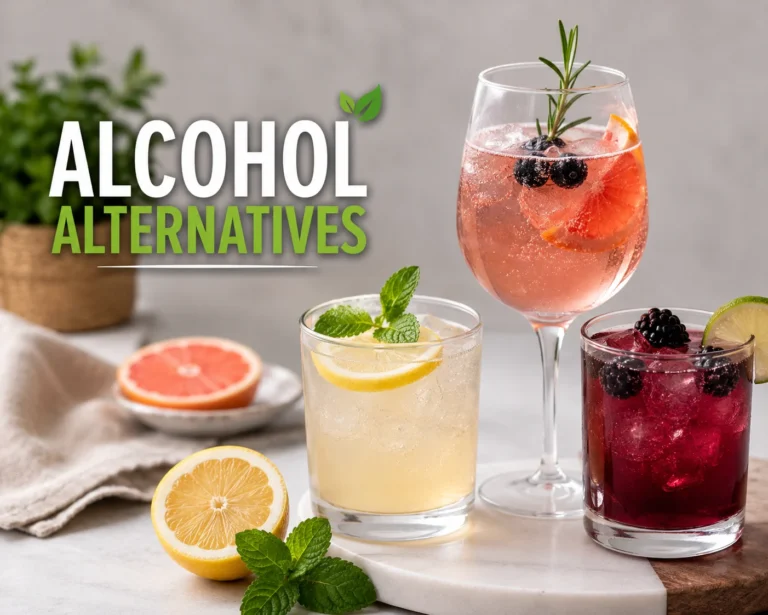
In recent years, alcohol alternatives have become increasingly popular among people looking to improve their health, maintain mental clarity, reduce calorie intake, or simply enjoy social occasions without drinking alcohol. The growing demand for alcohol-free beverages has encouraged manufacturers, restaurants, and bars to create exciting options that deliver flavor, sophistication, and enjoyment without intoxication.
Whether you’re participating in a sober lifestyle, taking a break from drinking, training for fitness goals, or searching for healthier beverage choices, there are countless alternatives available. From refreshing mocktails and sparkling waters to alcohol-free beers and functional wellness drinks, modern consumers have more choices than ever before.
This comprehensive guide explores the best alcohol alternatives, their benefits, and how to choose the perfect option for your lifestyle.
What Are Alcohol Alternatives?
Alcohol alternatives are beverages designed to replace traditional alcoholic drinks while offering similar enjoyment, flavor, or social appeal. These drinks may imitate alcoholic beverages or provide a completely different experience focused on wellness and refreshment.
Unlike traditional alcoholic drinks, these alternatives do not cause intoxication, hangovers, or many of the health concerns associated with excessive alcohol consumption.
The alcohol-free beverage market now includes products specifically designed for social gatherings, fine dining experiences, celebrations, and everyday relaxation.
Why More People Are Choosing Alcohol Alternatives
The popularity of alcohol alternatives is not just a passing trend. It reflects a significant shift in consumer behavior toward healthier and more mindful living.
Many people are becoming more aware of alcohol’s effects on sleep, fitness, mental health, productivity, and long-term wellness. As a result, they are actively seeking beverages that support their lifestyle goals without sacrificing enjoyment.
Younger generations, particularly Millennials and Generation Z, have contributed significantly to the rise of alcohol-free living. Many prioritize wellness, balanced lifestyles, and conscious consumption over traditional drinking culture.
The availability of high-quality alcohol alternatives has also made it easier for people to make healthier choices without feeling excluded from social experiences.
Health Benefits of Alcohol Alternatives
Improved Physical Health
One of the biggest reasons people switch to alcohol alternatives is the potential health benefits.
Alcohol can contribute to dehydration, poor sleep quality, weight gain, and other health concerns when consumed excessively. Replacing alcoholic beverages with healthier options may support overall well-being and improve daily energy levels.
Many alcohol-free drinks contain fewer calories and eliminate alcohol-related risks while still providing flavor and satisfaction.
Choosing alcohol alternatives can be an effective step toward maintaining a healthier lifestyle without completely changing social habits.
Better Sleep Quality
Many people believe alcohol helps them sleep better because it creates feelings of relaxation and drowsiness. However, alcohol can disrupt normal sleep cycles and reduce overall sleep quality.
Alcohol alternatives such as herbal teas, calming botanical beverages, and caffeine-free drinks can provide relaxation without interfering with restorative sleep.
Improved sleep quality often leads to better mood, increased concentration, and greater productivity throughout the day.
Enhanced Mental Clarity
Another major advantage of alcohol alternatives is maintaining cognitive function.
Without alcohol’s impairing effects, individuals can remain focused, alert, and engaged during social events, business gatherings, and family occasions.
Many people report feeling more confident and present during conversations when choosing alcohol-free beverages.
Mental clarity can also improve decision-making and reduce next-day fatigue.
Popular Alcohol Alternatives Worth Trying
Mocktails
Mocktails are perhaps the most recognizable alcohol alternatives available today.
These alcohol-free cocktails combine fresh ingredients such as fruits, herbs, syrups, juices, and sparkling water to create sophisticated beverages that rival traditional cocktails.
Popular mocktail options include:
- Virgin Mojito
- Shirley Temple
- Virgin Margarita
- Nojito
- Alcohol-Free Moscow Mule
- Sparkling Berry Spritz
- Tropical Citrus Cooler
Mocktails are ideal for parties, weddings, dinners, and celebrations because they provide the same festive atmosphere as traditional cocktails.
Alcohol-Free Beer
The alcohol-free beer industry has experienced remarkable growth in recent years.
Modern brewing technology allows manufacturers to produce beers that closely resemble traditional lagers, IPAs, stouts, and ales while containing little or no alcohol.
Alcohol-free beer appeals to consumers who enjoy the flavor and ritual of drinking beer but want to avoid intoxication.
These products have become increasingly common in supermarkets, restaurants, and bars worldwide.
Non-Alcoholic Wine
Wine lovers no longer need to compromise when avoiding alcohol.
Non-alcoholic wines are produced by removing alcohol after fermentation while preserving many of the beverage’s original characteristics.
Available varieties include:
- Red wine
- White wine
- Rosé wine
- Sparkling wine
Alcohol-free wines are particularly popular during celebrations and fine dining experiences where traditional wine would normally be served.
Kombucha
Kombucha has become one of the fastest-growing wellness beverages on the market.
This fermented tea drink offers a slightly tangy taste and often contains beneficial probiotics that support digestive health.
Many consumers appreciate kombucha because its complexity resembles certain alcoholic beverages while remaining largely alcohol-free.
Its unique flavor profile makes it a popular choice among individuals seeking more sophisticated alcohol alternatives.
Natural Alcohol Alternatives for Relaxation
Herbal Teas
Herbal teas have long been used as natural relaxation beverages.
Popular varieties include:
- Chamomile tea
- Lavender tea
- Peppermint tea
- Lemon balm tea
- Rooibos tea
These drinks provide comfort and relaxation without alcohol’s negative side effects.
Many people incorporate herbal teas into their evening routines to unwind after a busy day.
Sparkling Water Infusions
Sparkling water is one of the simplest yet most versatile alcohol alternatives available.
Adding natural ingredients can transform plain sparkling water into a refreshing and sophisticated beverage.
Popular additions include:
- Lemon slices
- Lime wedges
- Fresh mint
- Cucumber
- Orange slices
- Strawberries
- Blueberries
These combinations create attractive drinks suitable for social gatherings and everyday enjoyment.
Coconut Water
Coconut water has gained popularity among health-conscious consumers because of its natural hydration properties.
Rich in electrolytes, it provides a refreshing alternative to sugary beverages and alcoholic drinks.
Many athletes and fitness enthusiasts choose coconut water as a healthier beverage option.
Alcohol Alternatives for Social Events
Party-Friendly Mocktails
Social events often revolve around drinks, making mocktails an excellent choice.
Their colorful presentation and creative flavors allow guests to participate fully without consuming alcohol.
Modern bartenders increasingly design alcohol-free menus that are just as exciting as traditional cocktail offerings.
Alcohol-Free Sparkling Beverages
Celebrations often call for sparkling drinks.
Alcohol-free sparkling wines and premium sparkling juices provide the festive feel of champagne without the alcohol content.
These beverages are especially popular at:
- Weddings
- Birthday parties
- Baby showers
- Corporate events
- Holiday gatherings
Botanical Drinks
Botanical beverages are among the newest innovations in the alcohol alternatives market.
Made with herbs, spices, roots, flowers, and natural extracts, these drinks offer complex flavors specifically designed for adult consumers.
They provide a sophisticated drinking experience without relying on alcohol.
Choosing the Best Alcohol Alternatives
Understand Your Goals
The best beverage depends on your reason for avoiding alcohol.
If you enjoy social drinking, mocktails and alcohol-free beers may be ideal.
If relaxation is your priority, herbal teas or botanical beverages may be more suitable.
Understanding your needs makes it easier to choose the right option.
Read Ingredient Labels
Not all alcohol alternatives are equally healthy.
Some products contain large amounts of sugar, artificial sweeteners, or unnecessary additives.
Checking labels helps ensure you’re making choices aligned with your health goals.
Natural ingredients are often preferable for long-term consumption.
Experiment With Different Options
Taste preferences vary significantly from person to person.
Exploring different alcohol alternatives allows you to discover beverages that genuinely satisfy your palate.
The growing market offers endless opportunities to find new favorites.
The Rise of the Alcohol-Free Movement
The global alcohol-free movement continues to gain momentum.
Consumers are increasingly prioritizing health, mindfulness, and balanced living. Beverage companies are responding by investing heavily in innovation and product development.
Many restaurants, bars, and retailers now offer extensive alcohol-free selections to accommodate changing consumer preferences.
The result is a market filled with creative, high-quality beverages that appeal to both occasional and dedicated non-drinkers.
Industry experts expect the alcohol alternatives sector to continue growing as awareness and demand increase worldwide.
Frequently Asked Questions
Q: What are the best alcohol alternatives?
A: Some of the most popular alcohol alternatives include mocktails, alcohol-free beer, non-alcoholic wine, kombucha, herbal teas, sparkling water infusions, and botanical beverages.
Q: Are alcohol alternatives healthier than alcohol?
A: In many cases, yes. Alcohol alternatives eliminate intoxication and often contain fewer calories. However, consumers should still check ingredient labels for sugar content and additives.
Q: Can alcohol-free beer contain alcohol?
A: Some alcohol-free beers contain trace amounts of alcohol, while others contain none. Always read product labels if complete alcohol avoidance is important.
Q: Are mocktails good for parties?
A: Absolutely. Mocktails provide the appearance, flavor, and social experience of cocktails without alcohol, making them ideal for gatherings and celebrations.
Q: Why are alcohol alternatives becoming popular?
A: Growing health awareness, fitness goals, improved sleep, mental well-being, and changing social attitudes have contributed to the increasing popularity of alcohol alternatives.
Conclusion
Alcohol alternatives have revolutionized the beverage industry by providing exciting options for individuals who want to enjoy flavorful drinks without alcohol. Whether you’re interested in improving your health, enhancing mental clarity, supporting fitness goals, or simply exploring new flavors, there is an alcohol-free beverage for every occasion.
From sophisticated mocktails and alcohol-free beers to kombucha, herbal teas, and sparkling infusions, today’s alcohol alternatives offer variety, quality, and enjoyment without compromise. As the alcohol-free movement continues to grow, consumers can expect even more innovative products designed to support healthier, more balanced lifestyles.
Choosing alcohol alternatives doesn’t mean giving up social experiences. Instead, it opens the door to a new world of refreshing, satisfying, and wellness-focused beverages.