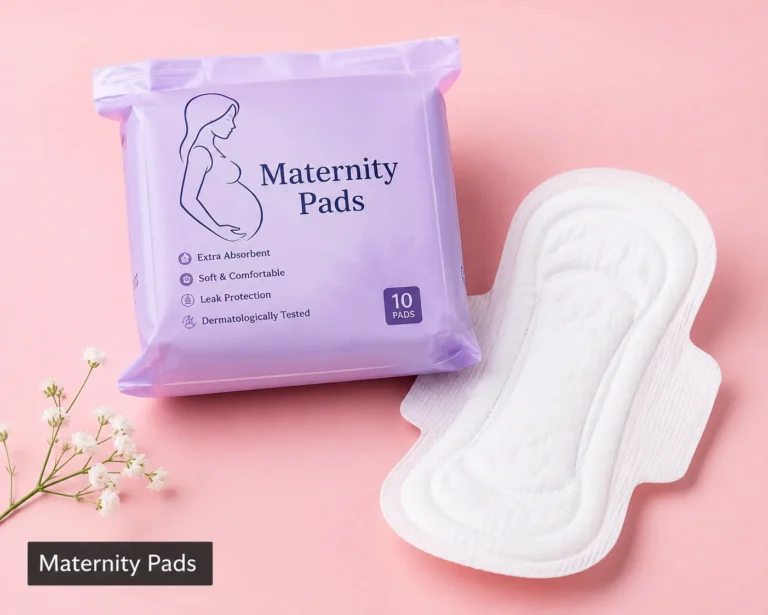
Bringing a baby into the world is a life-changing experience, but recovery after childbirth is just as important as pregnancy itself. One of the most essential postpartum products for new mothers is maternity pads. These specially designed absorbent pads help manage postpartum bleeding, provide comfort, and support healing during the weeks following delivery.
Unlike regular sanitary pads, maternity pads are made to handle heavier bleeding and offer greater softness for sensitive skin. Whether you’ve had a vaginal birth or a cesarean section, understanding how maternity pads work can make the recovery period more comfortable and less stressful.
This guide explains everything you need to know about maternity pads, including their purpose, benefits, types, proper usage, and tips for choosing the right option for your needs.
What Are Maternity Pad?
Maternity pads are highly absorbent sanitary pads specifically designed for women recovering after childbirth. They are larger, softer, and more absorbent than standard menstrual pads because postpartum bleeding, known as lochia, is usually heavier than a regular period.
After delivery, the body sheds blood, mucus, and tissue from the uterus. This process is completely normal and can continue for several weeks. Maternity pads are created to safely absorb this discharge while minimizing irritation and discomfort.
Many healthcare professionals recommend maternity pads immediately after birth because they provide better protection and allow medical staff and mothers to monitor postpartum bleeding more effectively.
Who Needs Maternity Pad?
Women After Vaginal Delivery
Women who have a vaginal birth typically experience significant bleeding during the first few days after delivery. Maternity pads provide the necessary absorbency and comfort during this period.
They are especially useful when the perineal area is tender or healing from stitches. The soft surface helps reduce friction and discomfort while supporting recovery.
Women After a Cesarean Section
Although cesarean deliveries involve surgery, postpartum bleeding still occurs because the uterus continues shedding tissue after birth.
Women recovering from a C-section often find maternity pads helpful because they offer reliable protection without placing pressure on the incision area.
Mothers Experiencing Heavy Postpartum Bleeding
Some women experience heavier postpartum bleeding than others. High-absorbency maternity pads can help manage this flow safely and comfortably during the initial recovery period.
Understanding Postpartum Bleeding (Lochia)
What Is Lochia?
Lochia is the vaginal discharge that occurs after childbirth. It contains blood, mucus, and uterine tissue that the body no longer needs after pregnancy.
The amount and color of lochia change over time as healing progresses.
Stages of Lochia
Lochia Rubra
During the first few days after birth, bleeding is usually bright red and relatively heavy. This stage often requires the most absorbent maternity pads.
Lochia Serosa
Around the second week, the discharge typically becomes pinkish-brown and lighter in volume.
Lochia Alba
In the final stage, the discharge often turns yellowish-white and gradually decreases until it stops completely.
Understanding these stages helps mothers know what to expect during postpartum recovery.
Benefits of Using Maternity Pads
Superior Absorbency
One of the biggest advantages of maternity pads is their ability to absorb large amounts of fluid.
Postpartum bleeding can be much heavier than menstrual bleeding, especially during the first few days after childbirth. Maternity pads are designed to handle this increased flow without frequent leakage.
Enhanced Comfort
After childbirth, the vaginal and perineal areas can be extremely sensitive.
Maternity pads are generally softer and less irritating than many regular sanitary products. Their cushioning helps reduce discomfort during sitting, walking, and daily activities.
Better Hygiene
Maintaining hygiene during postpartum recovery is essential.
Because maternity pads are designed for frequent changing and maximum absorbency, they help keep the area cleaner and drier, reducing irritation and promoting healing.
Easier Monitoring of Bleeding
Healthcare providers often recommend maternity pads because they make it easier to observe the amount and appearance of postpartum bleeding.
Monitoring bleeding patterns can help identify signs of normal recovery or potential complications.
Types of Maternity Pad
Disposable Maternity Pad
Disposable maternity pad are the most commonly used option.
They provide excellent absorbency, convenience, and easy disposal. Many hospitals supply disposable maternity pads immediately after childbirth.
Benefits include:
- High absorbency
- Convenient use
- Easy disposal
- Widely available
Organic Cotton Maternity Pads
Organic cotton maternity pads are becoming increasingly popular among mothers seeking natural products.
These pads are typically free from fragrances, dyes, and harsh chemicals that may irritate sensitive skin.
Many women choose organic options because of their softness and environmentally conscious materials.
Reusable Maternity Pad
Reusable maternity pad are made from washable fabrics and can be used multiple times.
They are often selected by mothers looking for sustainable alternatives to disposable products.
Advantages include:
- Eco-friendly design
- Long-term cost savings
- Reduced waste
- Soft fabric materials
Cooling or Therapeutic Pads
Some postpartum pads include cooling technology or are designed to hold cold packs.
These products may help relieve swelling and soreness during the first few days after childbirth.
Many women find them particularly helpful after vaginal delivery or perineal repairs.
How Long Should You Use Maternity Pads?
First Week After Delivery
Most mothers need high-absorbency maternity pads throughout the first week after childbirth.
Bleeding is usually heaviest during this period, making specialized postpartum products especially useful.
Weeks Two to Four
As bleeding gradually decreases, some women continue using maternity pads while others transition to lighter postpartum pads or regular sanitary pads.
The timing varies depending on individual recovery patterns.
Beyond One Month
Many women notice a significant reduction in bleeding within four to six weeks.
However, recovery timelines differ, and some mothers may continue using postpartum products longer than others.
How to Choose the Best Maternity Pads
Consider Absorbency Levels
The most important factor is absorbency.
Immediately after childbirth, choose products designed for heavy postpartum flow. As bleeding decreases, lighter absorbency options may become appropriate.
Look for Soft Materials
Comfort matters during recovery.
Pads made with soft, breathable materials can help reduce irritation and provide a more pleasant experience during healing.
Avoid Fragrances
Fragranced products may irritate sensitive postpartum skin.
Many healthcare professionals recommend fragrance-free maternity pads to minimize the risk of discomfort and allergic reactions.
Check Size and Coverage
Larger pads generally provide better protection against leaks, especially when sleeping or resting for extended periods.
Adequate coverage can help mothers feel more confident during daily activities.
Tips for Using Maternity Pads Safely
Change Pads Regularly
Frequent pad changes help maintain hygiene and reduce the risk of irritation.
Most healthcare providers recommend changing pads whenever they become saturated or every few hours during heavy bleeding.
Wash Hands Before and After Changing
Proper hand hygiene is essential during postpartum recovery.
Washing hands before and after changing pads helps prevent the spread of bacteria and supports healing.
Watch for Signs of Infection
Contact a healthcare provider if you notice:
- A strong unpleasant odor
- Fever
- Increasing pain
- Unusually heavy bleeding
- Large blood clots
These symptoms may require medical evaluation.
Wear Comfortable Underwear
Supportive and breathable postpartum underwear can help keep maternity pads securely in place while improving overall comfort.
Common Mistakes to Avoid
Using Tampons Too Soon
Healthcare professionals generally advise avoiding tampons during the postpartum period because they can increase infection risk while the body is healing.
Choosing Pads That Are Too Small
Regular sanitary pads may not provide sufficient absorbency during the early postpartum period.
Using appropriately sized maternity pads helps prevent leaks and improves comfort.
Ignoring Changes in Bleeding
While postpartum bleeding is normal, sudden increases in bleeding or unusual symptoms should not be ignored.
Always consult a healthcare provider if something seems concerning.
Frequently Asked Questions
Q: What are maternity pads used for?
A: Maternity pads are used to absorb postpartum bleeding and discharge after childbirth. They provide greater absorbency and comfort than standard sanitary pads.
Q: How many maternity pads do I need after giving birth?
A: Many mothers use several pads daily during the first week. Having at least two to three packs available before delivery is often recommended.
Q: Can I use regular sanitary pads instead of maternity pads?
A: While regular pads may be suitable later in recovery, maternity pads are generally recommended immediately after childbirth because they offer better absorbency and comfort.
Q: How long does postpartum bleeding last?
A: Postpartum bleeding commonly lasts four to six weeks, although the duration varies from person to person.
Q: Are reusable maternity pads safe?
A: Yes. When washed and maintained properly, reusable maternity pads can be a safe, comfortable, and environmentally friendly option.
Conclusion
Maternity pads are an essential part of postpartum recovery, providing comfort, protection, and support during the weeks after childbirth. Their superior absorbency, gentle materials, and postpartum-specific design make them far more suitable than regular sanitary pads during the early stages of healing.
Whether you choose disposable, organic, reusable, or therapeutic options, selecting the right maternity pads can significantly improve your recovery experience. Understanding postpartum bleeding, maintaining good hygiene, and using appropriate products will help ensure a smoother transition into motherhood while allowing your body the time it needs to heal.